Field-Stations for the Future
Community spaces for regenerative action and connection. Building a new facet of civic infrastructure.
“Field sites for the future… places where alternative arrangements can be prefigured, where new economic, social, and ecological models can be prototyped in more contained settings… Crucially, these sites sit alongside the present and can make visible the frictions between regenerative futures and today’s extractive systems.” Delfina Fantini van Ditmar, RCA.
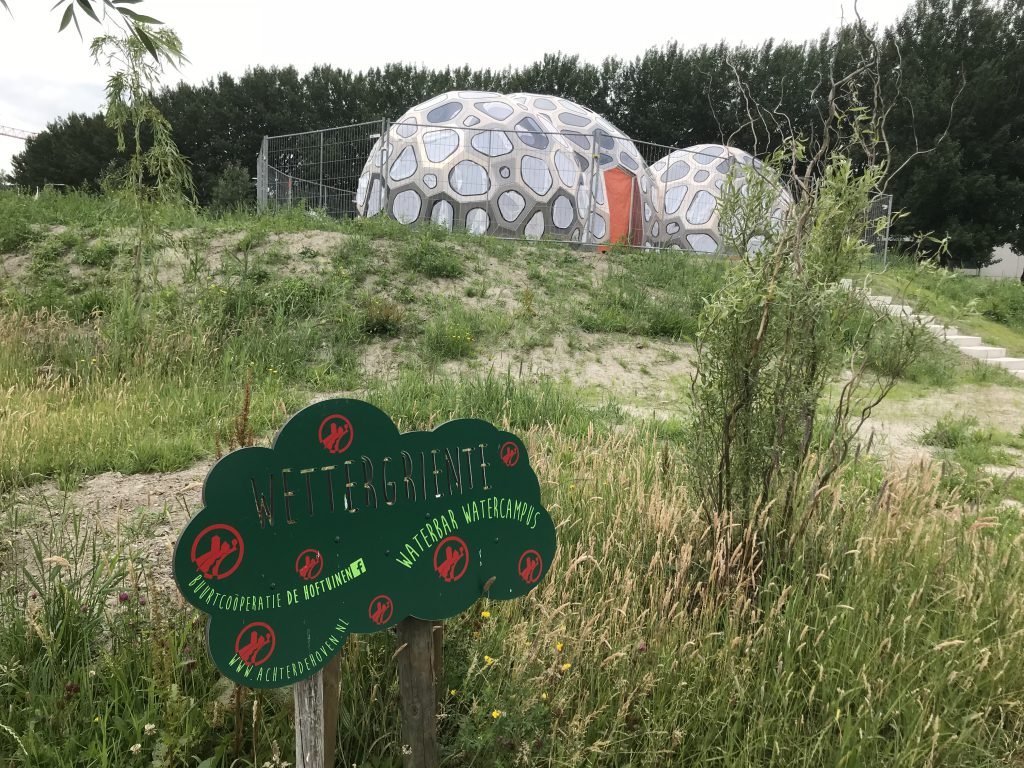
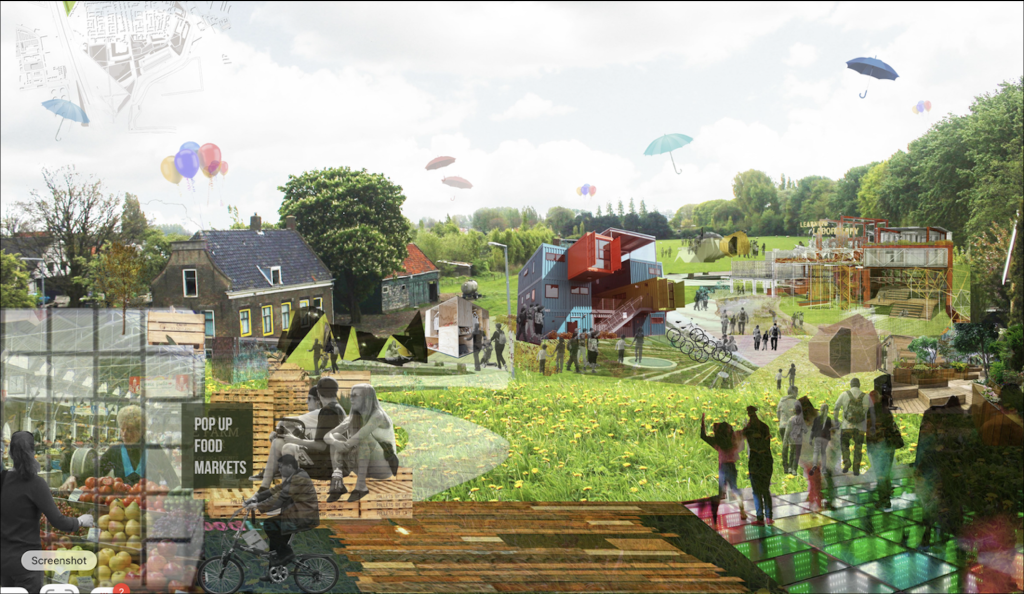
Field-stations for the Future are community places that emerge, or are intentionally created, for the invention and testing of new models and new systems for regenerative futures. They are places of learning and demonstration, forming a new typology in the history of institutions created to address challenges for the social, cultural and economic advancement of humanity.
Regenerative field-stations are places to advance knowledge and action to reverse the deterioration of planetary life-systems. They should exhibit an openness to collaboration, generating the vital social energy and agency that springs from collective experimentation, learning and creative production. Their connection to institutions of knowledge-creation and education (universities and schools) is fundamental.
They must become an expected feature of civic infrastructure.
Some Field-stations grow from grassroots responses to the deterioration of local ecosystems or from opportunities to restore degraded land, or waterways, or food, or energy production. Others express more of an entrepreneurial spirit, a determination to reshape or redesign systems of production that will not contribute to the erosion of our more-than-human world.
Many are inspired by indigenous knowledge systems and practice.
Field-stations may be small, remaining novel or niche experiments outside the mainstream economy. Some grow to regional or national significance, as their stories and visions offer hope in a world of growing cynicism and anxiety about the future of the planet’s life-systems.
ROLE OF THE FSF NETWORK
The role of the FSF network is to:
- encourage and support the existence of field-stations and to promote and expand the concept
- draw universities (and other education and research institutions) into an active role in Field-stations, forming collaborative partnerships with communities for research and experimentation
- create a platform for a global network, linking field-stations and regions for knowledge exchange and concept development
- for university partners, identify and build programs of research relevant to Field-stations for the Future, exploring the dynamics of regenerative innovation and practice.
The FSF network currently represents design and related schools of universities across multiple countries. Exisiting and emerging Field-stations are becoming part of the network as it develops.